
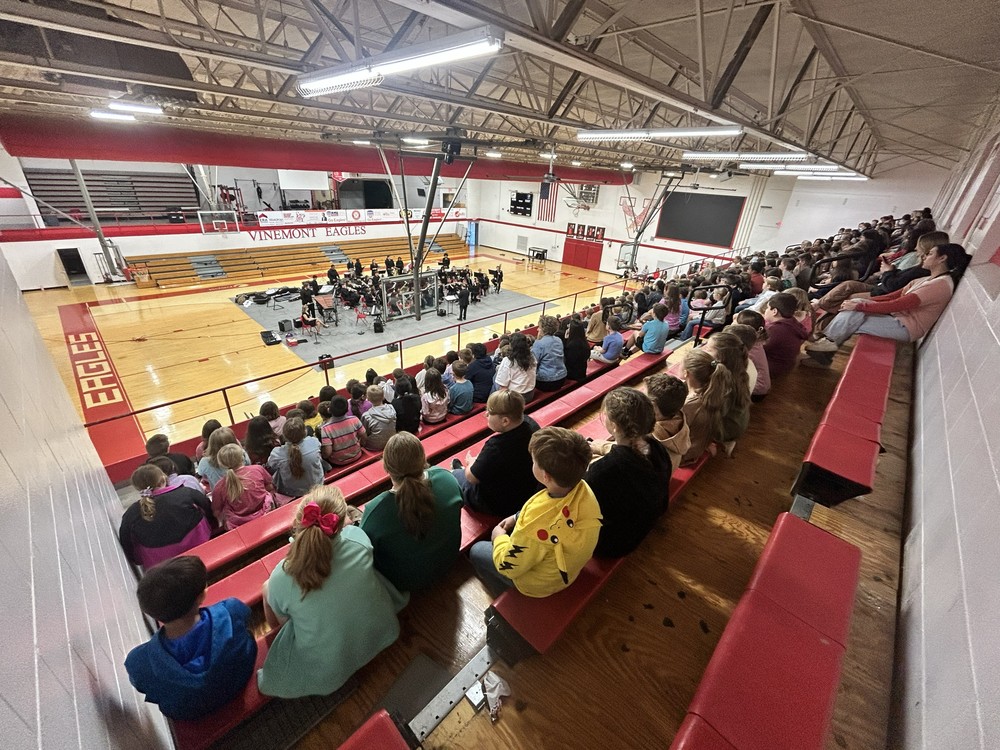
To anyone that has seen any performance in their life...
As a music teacher, I have learned that most people do not understand why it is so important to have an elementary music program. They believe that music teachers put on some music and go “Sing!” to the students and it happens. I so wish it was that easy at times. However, a true elementary music classroom is more than just singing and dancing.
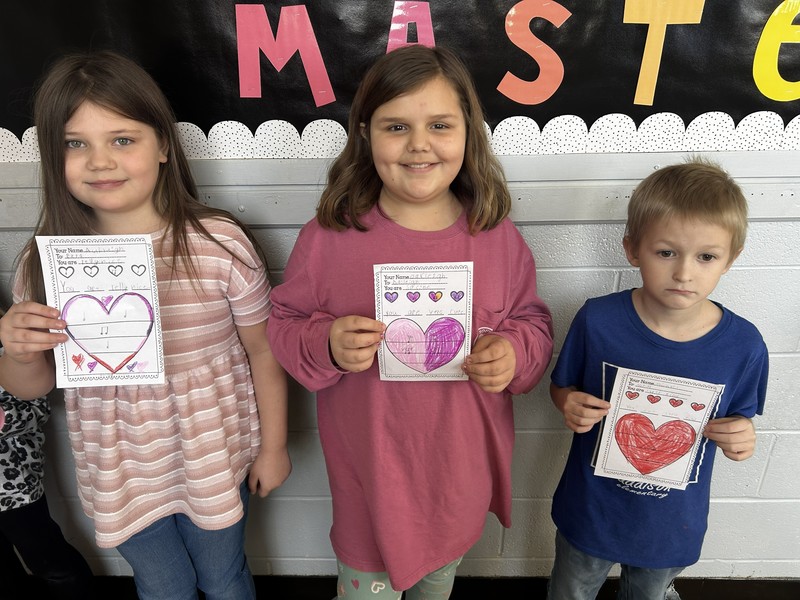
I believe that it is my job to expose my students to EVERYTHING that music has to offer. And trust me, it has a lot to offer in today’s world.
Let’s just talk about what skills my students have learned so far just this school year:
They have learned the note values for music notes such as quarter notes, eighth notes, quarter rests, half notes, whole notes, triplets, and more.
They can also sing the syllables for those notes.
They have learned how to read the note names on a Treble Clef Staff.
They can play instruments such as bucket drums, xylophones, metallophones, and Boomwhackers.
They can keep a steady beat.
They can also determine how many sounds a word is and what music notes fits with those sounds.
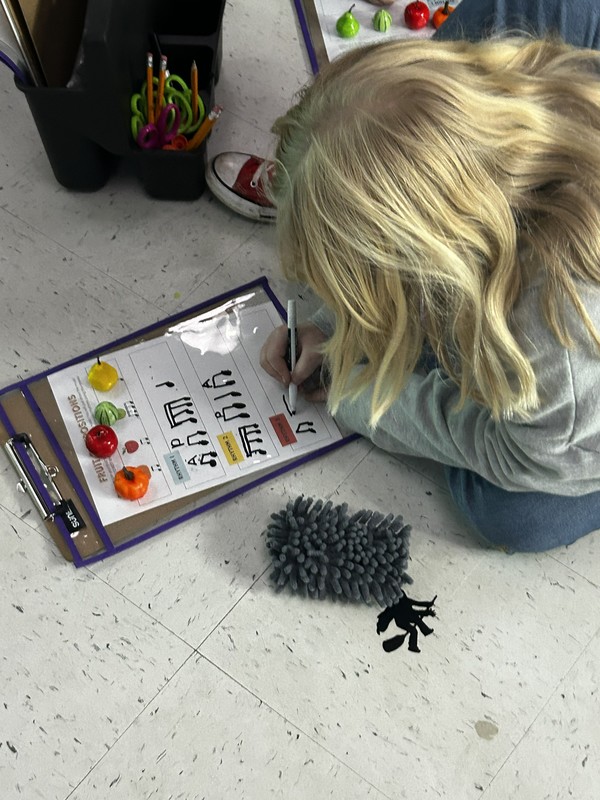
They can compose using objects such as fruit (yes, this is a real lesson).
They can also tell you about certain composers.
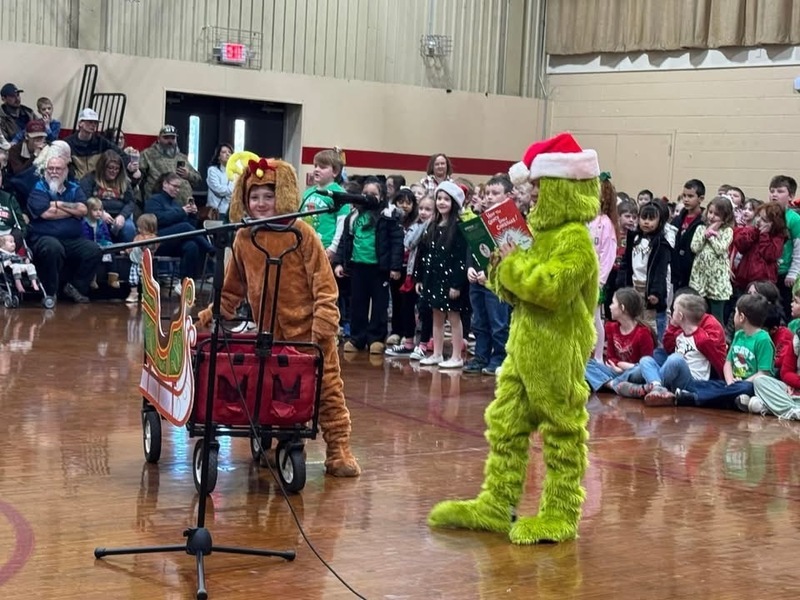
And they can sing and memorize music for a program.
And that is just the tip of the iceberg in most music classes.
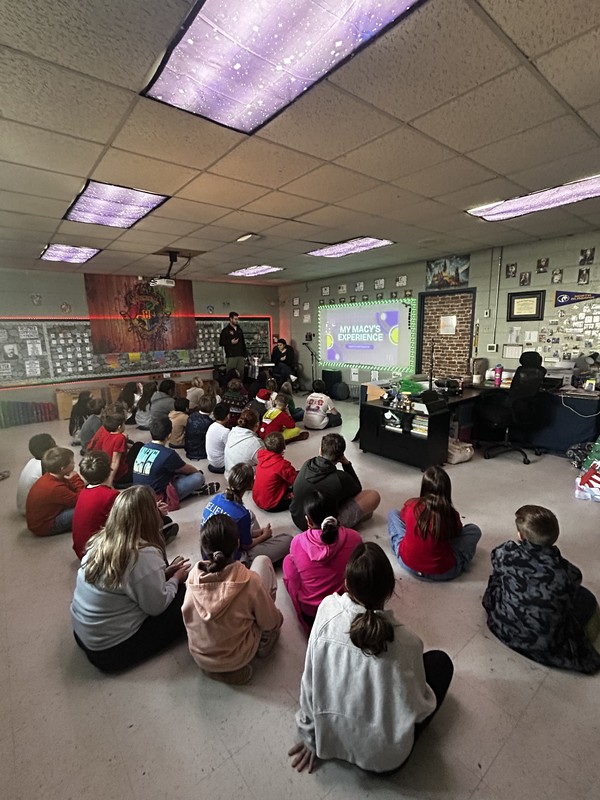
I use tons of literature to teach music as well. Pete the Cat is a favorite for Pre-K and Kindergarten classes. I use all kinds of styles and timeframes of music for my “big kids” to listen to and to perform in the Spring. I even incorporate movement and technology where I can.
Most days, I will teach anywhere from 2 classes to 8 classes in a day. I go from 5th grade to 2nd and 3rd grade to Kindergarten without thinking. And they all have different lessons depending on the time of year and what level they are at. Most music teachers do this though so it’s not special.
So, why is elementary music important? It can create and practice skills that can be used for ALL subjects in the every day classroom. My students have learned how to read, listen, create, respond, and even connect other subjects to music. Those are skills that can work in many areas of their lives.
How can you support elementary music during “Music in our Schools” Month?
Let your child show you what they did in music class.
Encourage you child to talk about their favorite music elements.
Let your child teach you the lesson they did in music class!
Research how music helps your child! You may be shocked by the results.
Talk to the music teacher to see what you can do to help them out.
Music is more than a song and dance. It’s a fun way to learn in a world that is too serious.
And it all begins with supporting elementary music.
-Ms. Richard